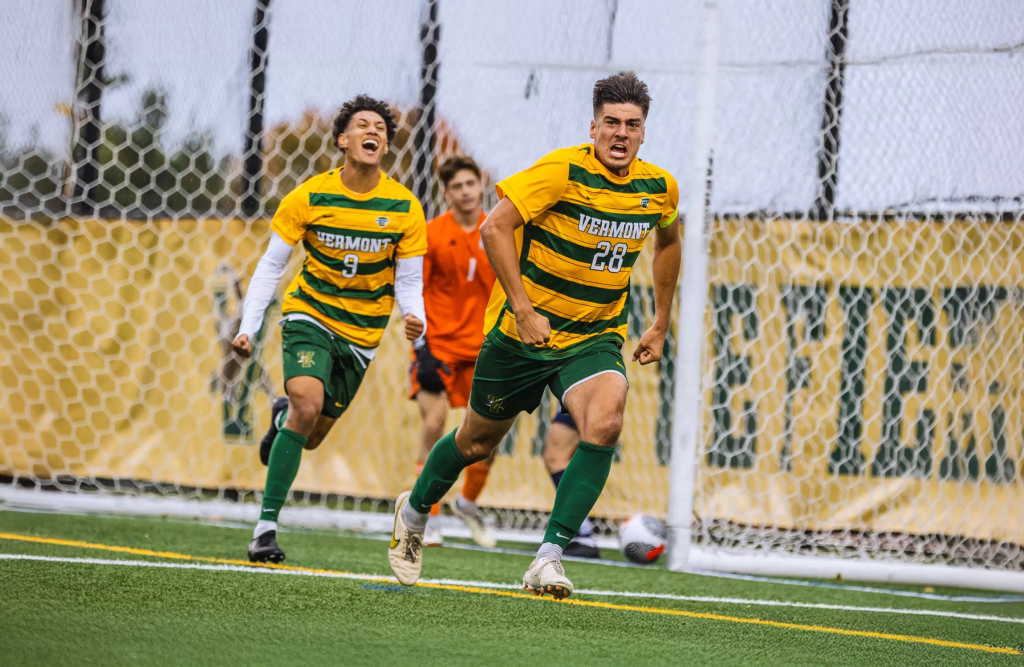
In early December, we caught up with Zach Barrett, who most recently helped lead MLS Next Pro’s Huntsville City FC to a 14-6-8 record and a playoff berth in 2025. Before playing professionally, Barrett won both US Youth Soccer and NCAA National Championships with Lehigh Valley United and the University of Vermont, respectively.
With a full season of professional experience under his belt, Barrett now looks back and shares some of his favorite memories.
Note: the following has been edited for clarity.
At what point in your youth career did you think all of the success you’ve had was possible?
I’ve always believed in myself and thought that soccer was going to take me as far as I wanted to go. I’m not sure when it all clicked for me, but I can always just remember that dream I had of becoming a professional soccer player.
With your championship experiences, is there a common factor outside of talent that sets title-winning teams apart – mentality, relationships, or anything like that?
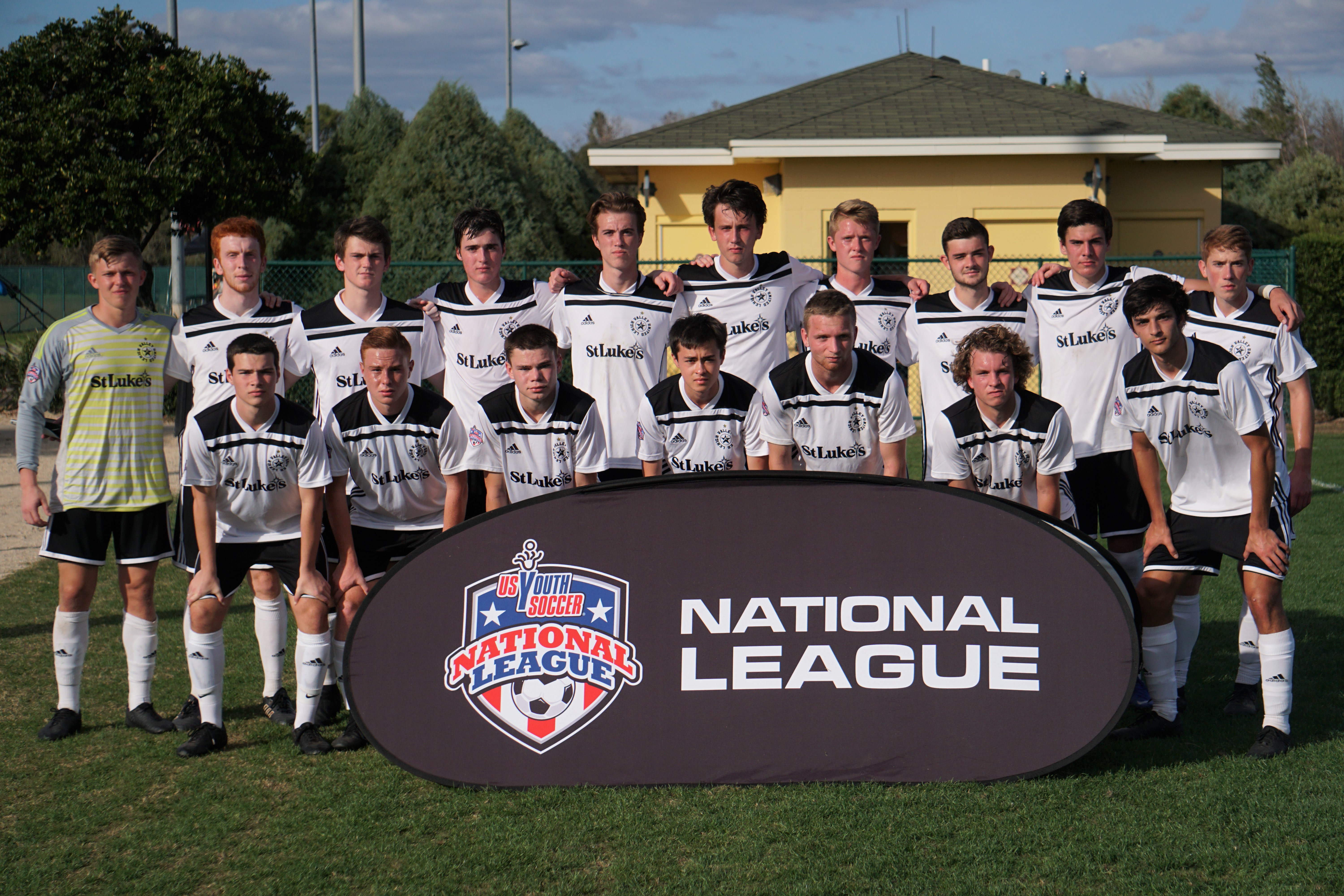
Title-winning teams are built on culture more than anything else. In every high-performing team I’ve been a part of, great leaders are the ones to drive the culture. When you see somebody next to you working hard and doing whatever it takes for the team to win, it is infectious and really drives a team to be the best that they can be. Off the field relationships are also a very common factor that I’ve seen in championship teams. From our Lehigh Valley United (LVU) team in 2019 to the recent Vermont (UVM) team in 2024, everybody was super close and spent a lot of time off the field together. When you can be out there on the field with your best friends, it really takes a lot of the pressure off, because you realize it’s just a game and no matter the result you will still have those close relationships when the final whistle blows.
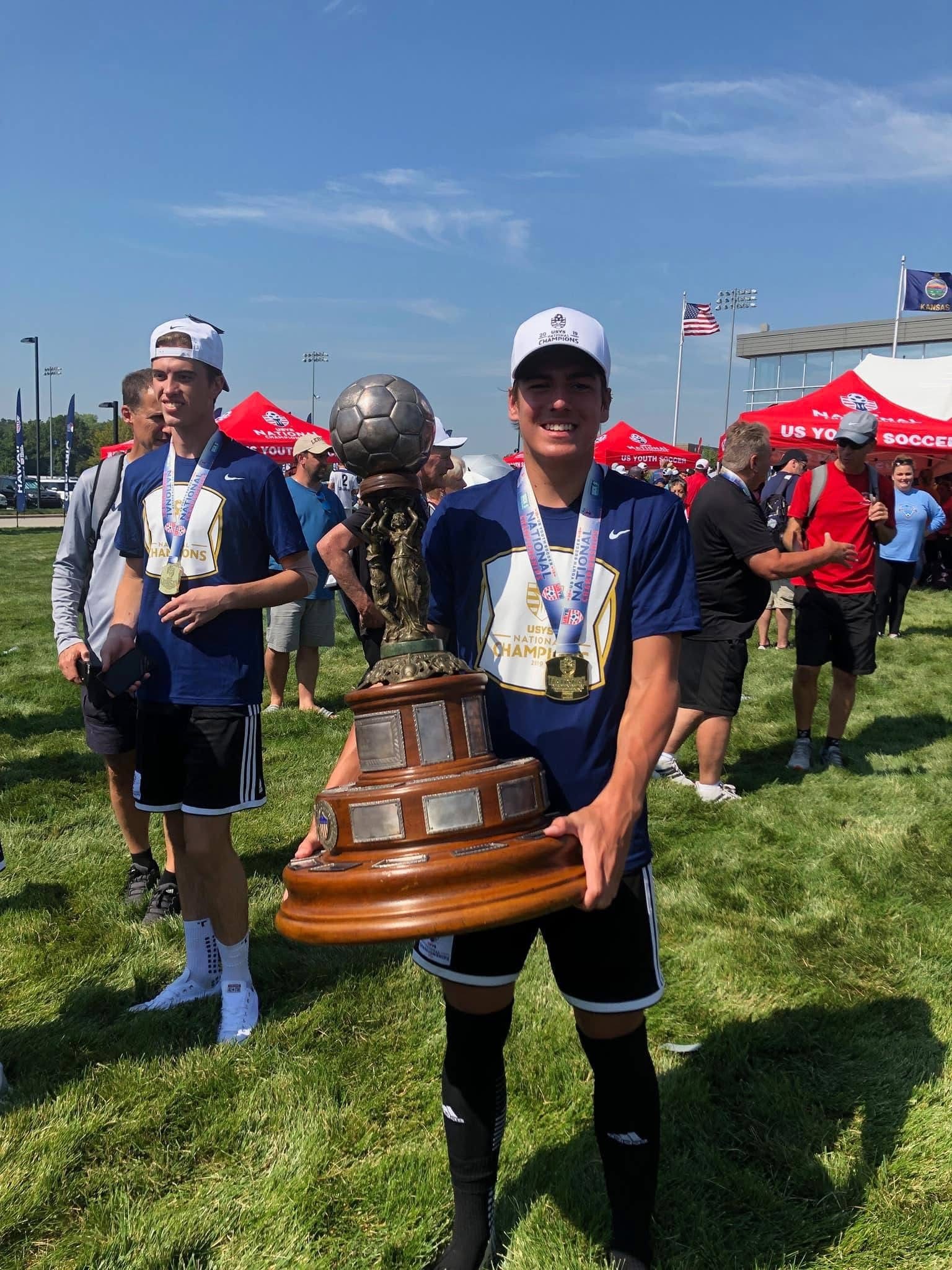
Five years before you won a NCAA National Championship with Vermont, you won a US Youth Soccer National Championship with your Lehigh Valley United team. How special was it for your team to add your name to the James P. McGuire Cup – the oldest trophy in youth sport?
To be a part of US Youth Soccer history – and especially the McGuire Cup – is very special to me. Our LVU coach, Mike Gorni, is a legendary coach in the Philadelphia area. Leading up to the National Championship and throughout National League, he kept telling us how we had something special and to not take it for granted. I remember before the final, he told us that it could be the last time in our whole soccer career that we get to play for a national championship and to just go out there and have no regrets. I think that really resonated through the team and ultimately drove us to victory.
As soon as you stepped foot on campus at Vermont, you were a mainstay in the starting lineup. How did competing at US Youth Soccer events and in the National League help prepare you for that?
Competing in US Youth Soccer events like the Elite Development Program (EDP) and National League helped me get prepared for the intensity of Division I soccer. When I stepped on campus I was still a pretty small kid compared to the guys on my team. What I did not lack was spirit and mentality, which is what I think USYS helped me with the most. Playing in events all across the region and country exposed me to all different types of players, games, and situations. Playing in important games against top players from the area forced me to elevate my game in areas other than technique and skill. I had to become what I like to call a “mentality monster.” I think that I carried that with me into college and Vermont, which is ultimately one of the reasons I was able to play so much as a freshman and beyond.
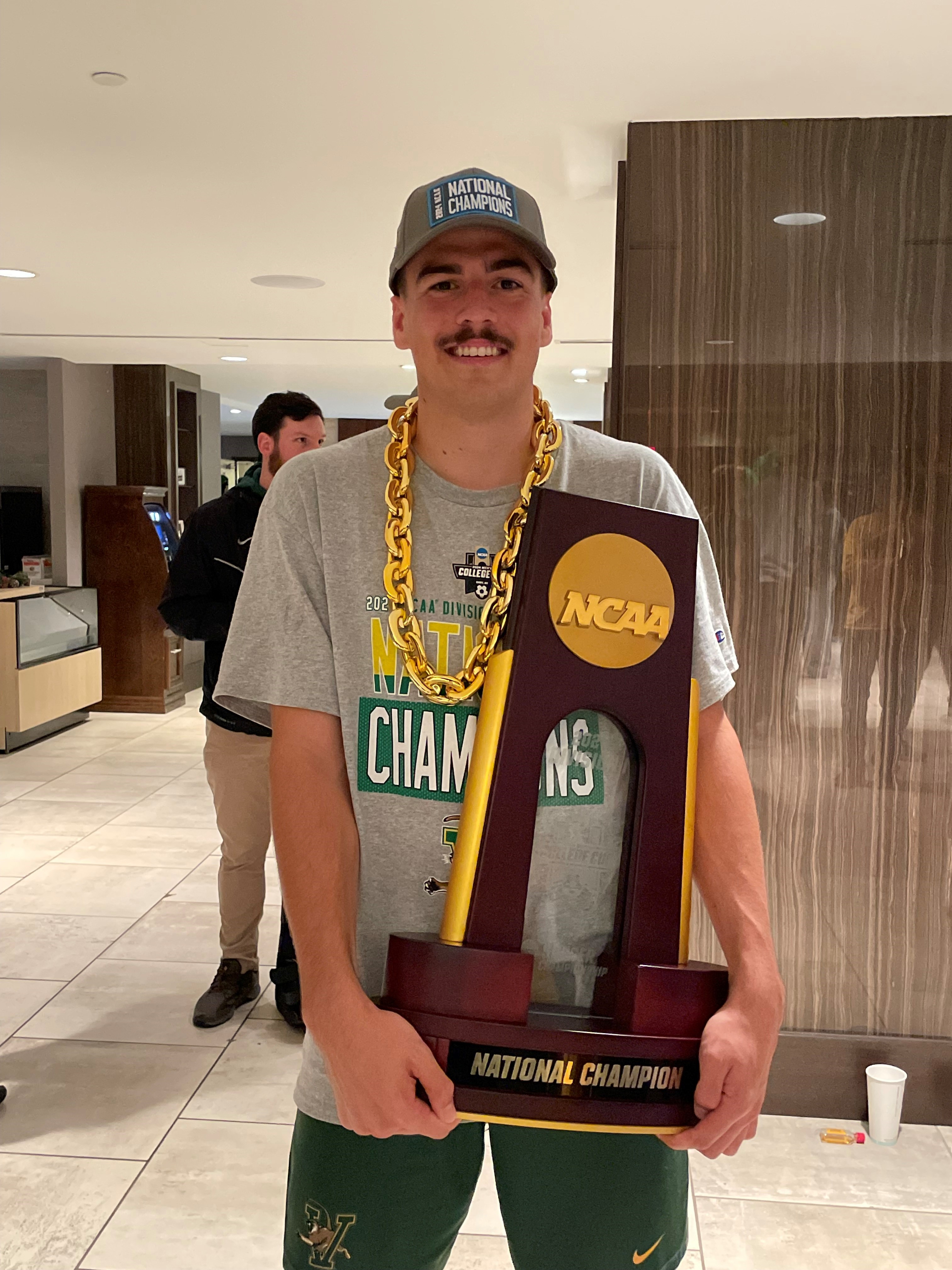
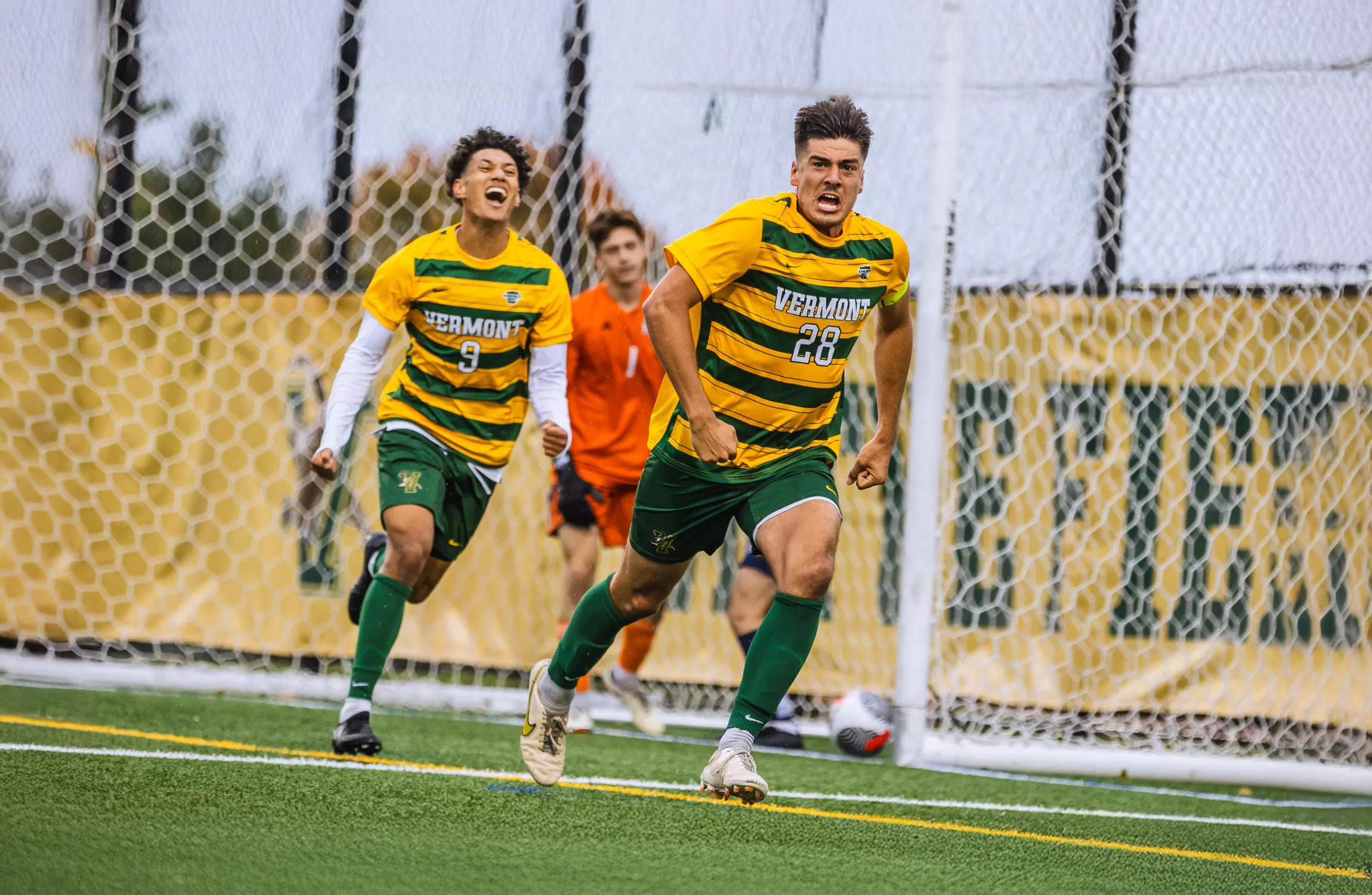
You had the game winning assist in the 2024 NCAA National Championship. What was going through your mind while the ball was in the air and then just before Maximilian Kissel scored?
It was like time froze. I remember it as clear as day actually. I stole the ball and it was kind of rolling out of bounds, so I thought I’d just get to it and kick it as far as I could up the sideline. Once I kicked it, I was actually surprised that 1) it actually stayed in bounds and 2) that Maximilian was there chasing it down. When he got on the end of my pass and was 1 on 1 with the goalie, I was frozen in my shoes and looked at everybody else on the field in the exact same situation as me. Then the ball went in and it was an immediate rush of just pure energy, happiness, and feeling of like what just happened.
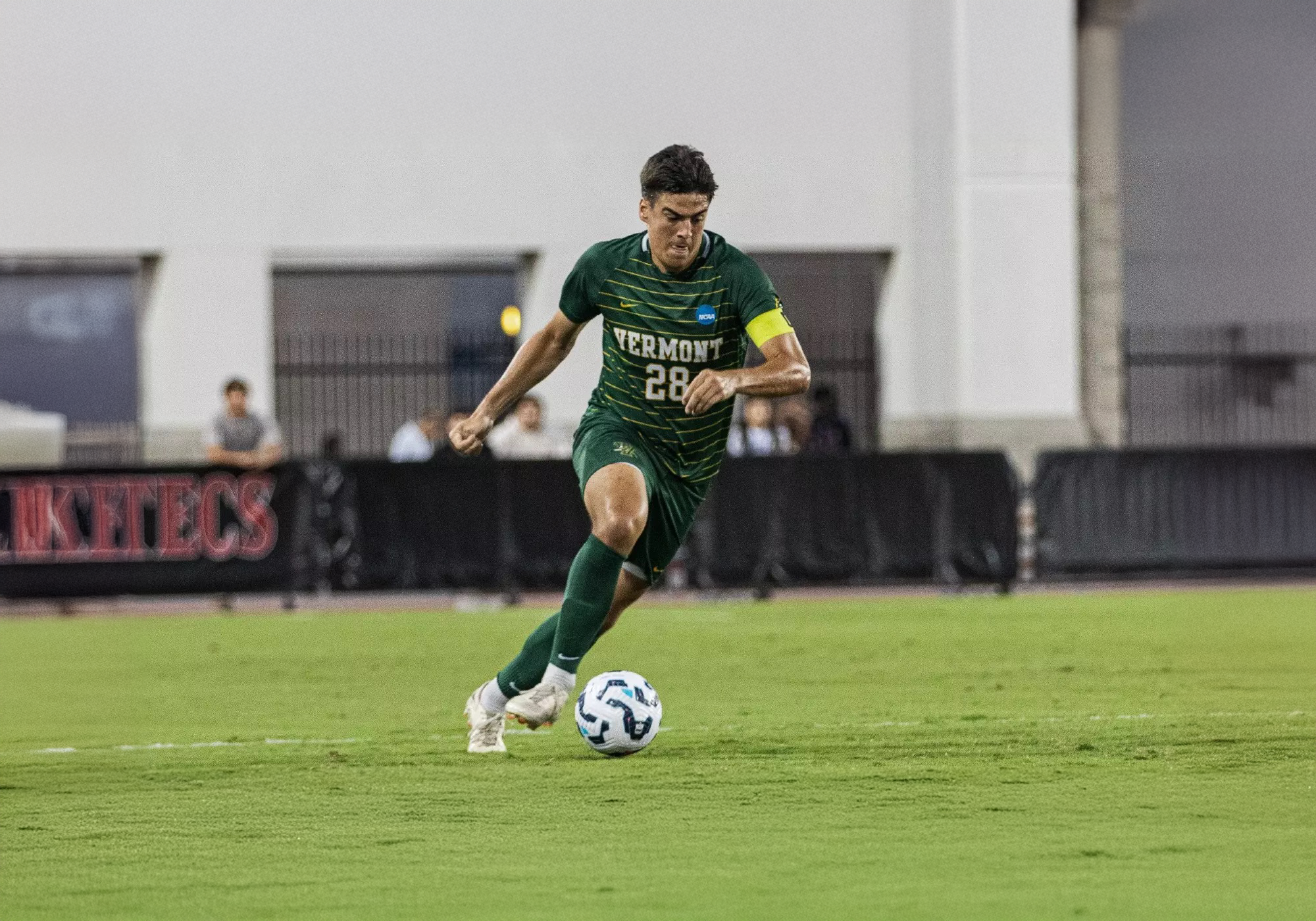
You were a team captain at Vermont. How did that leadership role help you grow as a person?
Being a captain at Vermont is a role that is a great honor to me and something that I did not take lightly. To be that person on the team that drives the team culture is a very important role. Ultimately, it helped me grow as a person for a few reasons. I’d never really been in a leadership role on any of my youth teams because I was always one of – if not the – youngest players on the team. So, I always just put my head down and worked hard and didn’t really say much. Being a captain at Vermont, I learned that wasn’t enough. I had to have a choice, but also open myself up to listen. I think this is what has helped me the most as a person.
As a defender, it’s always special to score a goal. Do you have a favorite of the seven you scored at Vermont?
The goal I scored against Albany in my senior year is probably my favorite. It was on my senior night game and we were tied 0-0 late in the second half. We had a corner kick, and the ball was swung into the box and I just remember getting free from my marker and burying it in the back of the net.
Individually, you had a fantastic career as a Catamount. You earned multiple accolades – including America East All-Conference First Team, All-ECAC First Team, and America East Man of the Year. Looking back on that success, is there one award that stands out more than the others.
The most important award to me was actually the last award that I won in my time as a Catamount. It was the America East Man of the Year Award. Here’s a brief description of it: “The America East Man of the Year Award recognizes a senior male student-athlete excelling in academics, athletics, service, and leadership.”
To be recognized for this award with all the other great nominees across all the sports in the conference is special to me. I think it’s the most important to me because it has to do with more than just what happens on the field. I loved immersing myself in the community and being a leader on campus, so to be recognized for my efforts off the field as well as those on the field felt like the perfect culmination to my career as a Catamount.
You signed with Huntsville City FC earlier this year. How was this season for you?
I enjoyed my time in Huntsville and we had a good season as a team. We qualified for the playoffs and won the first playoff game in club history! For me personally, I played in a ton of games and got great experience. I scored my first professional goal against the New York Red Bulls. I also officially re-signed for the club in October and will be returning for another season!
Do you have anything you can share for players competing in The National League now?
Great players are great teammates. Everybody has aspirations to make it to the next level, whether that be collegiately or professionally. The easiest way to stand out is to have a great mentality and be a good teammate. Celebrate the goals, celebrate the big tackles, but also be able to take advice and be coachable.
Vermont Photo Credit: Luke Schwartz and Ryan Manley